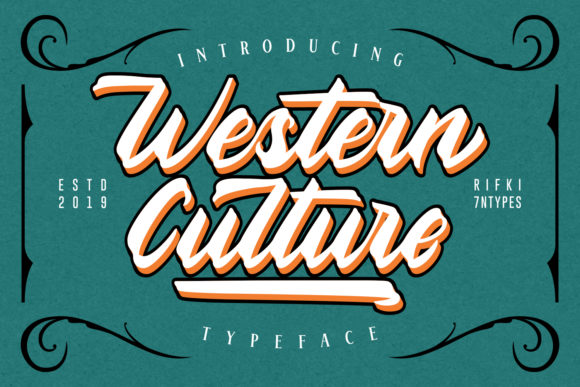
Western Culture: A Bold and Striking Font for Unique Designs
In the world of typography, a well-chosen font can make all the difference in conveying a message, setting a tone, or capturing attention. One such font that stands out for its bold and striking appearance is Western Culture. This unique typeface has gained popularity among designers, artists, and professionals who seek to create visually compelling work that commands attention. With its distinct characteristics and versatile applications, Western Culture offers a powerful tool for anyone looking to elevate their design projects.
Understanding Western Culture: What Makes It Unique?
Western Culture is more than just a font—it's a statement. Designed with a strong, dynamic aesthetic, it combines elements of traditional Western typography with modern flair. The font features bold strokes, sharp angles, and a sense of movement that gives it an energetic and eye-catching presence. Its design is ideal for projects that require a strong visual impact, whether in print, digital media, or branding materials.
The font includes a wide range of characters and styles, allowing users to create designs that are both cohesive and distinctive. From uppercase letters that command attention to lowercase letters that maintain readability, Western Culture balances form and function effectively. This versatility makes it suitable for a variety of design needs, from headlines and logos to signage and packaging.
Key Features and Characteristics of Western Culture
One of the standout features of Western Culture is its boldness. The thick, heavy strokes give the font a powerful presence that can be used to emphasize key messages or draw attention to specific elements. This makes it particularly effective for use in advertising, marketing, and promotional materials where visibility is crucial.
Another notable characteristic is its ability to adapt to different design contexts. Whether used in a minimalist layout or a complex composition, Western Culture maintains its clarity and impact. The font’s design allows for creative experimentation, making it a favorite among graphic designers and artists who want to push the boundaries of traditional typography.
Additionally, Western Culture includes multiple variations, such as regular, bold, and italic styles. These options provide flexibility for users to tailor the font to their specific needs. For example, the italic version can add a sense of motion or elegance, while the bold style can be used for emphasis and contrast.
Where Can Western Culture Be Used?
Western Culture is a versatile font that can be applied across various industries and design disciplines. In the realm of branding, it is often used for logos and brand identities that aim to project strength, confidence, and innovation. Its bold look can help businesses stand out in a competitive market and leave a lasting impression on customers.
For web design, Western Culture can be used to create striking headlines, banners, and call-to-action buttons. When implemented correctly, it can enhance the visual hierarchy of a website and guide users through the content more effectively. However, it's important to use the font strategically, as excessive use may affect readability and user experience.
In print media, Western Culture is commonly found in advertisements, posters, and magazine layouts. Its strong visual presence makes it ideal for grabbing attention in busy environments. Whether it's a billboard on a city street or a flyer in a local shop, the font can make a significant impact when used appropriately.
Who Benefits from Using Western Culture?
Designers, artists, and creatives are among the primary users of Western Culture. Its unique style allows them to express their vision in a way that is both original and impactful. For professionals in the advertising and marketing industries, the font offers a powerful tool for creating memorable campaigns that resonate with audiences.
Business owners and entrepreneurs can also benefit from using Western Culture in their branding efforts. A strong, recognizable font can help establish a brand’s identity and differentiate it from competitors. Whether launching a new product or rebranding an existing business, the font can play a key role in shaping the overall look and feel of the brand.
Online users and content creators can also find value in Western Culture. From social media posts to blog titles, the font can add a touch of personality and professionalism to digital content. However, it's essential to consider the context and audience when choosing to use the font, as not all platforms or audiences may respond positively to its bold style.
Strengths and Considerations When Using Western Culture
One of the main strengths of Western Culture is its ability to make a design stand out. Its bold and striking appearance can be highly effective in situations where visibility and impact are important. Additionally, the font’s versatility allows it to be used in a wide range of design projects, offering users flexibility and creative freedom.
However, there are some considerations to keep in mind when using Western Culture. Its bold nature may not be suitable for all types of content, particularly those that require a more subtle or refined appearance. In such cases, alternative fonts may be more appropriate to maintain balance and readability.
Another consideration is the potential for overuse. While Western Culture can be highly effective in certain contexts, using it excessively may lead to visual clutter and reduce the overall effectiveness of a design. It’s important to use the font strategically and in moderation to achieve the desired impact without overwhelming the viewer.
Real-World Applications of Western Culture
One real-world application of Western Culture is in the creation of event posters and flyers. For concerts, festivals, and other public events, the font can be used to create eye-catching headlines that grab attention and convey excitement. Its bold style helps to communicate the energy and atmosphere of the event, making it an ideal choice for promotional materials.
Another example is in the design of retail signage. Stores and businesses can use Western Culture to create signs that are both informative and visually appealing. Whether it's a store name, product label, or directional sign, the font can help attract customers and guide them through the space effectively.
In the realm of digital marketing, Western Culture can be used in social media graphics, email newsletters, and online advertisements. When paired with complementary design elements, the font can enhance the visual appeal of digital content and increase engagement with the target audience.
Evaluating the Suitability of Western Culture for Your Needs
Before deciding to use Western Culture, it’s important to evaluate its suitability for your specific project or design goal. Consider the context in which the font will be used, the target audience, and the overall aesthetic you want to achieve. If the font aligns with your vision and meets the requirements of your project, it can be a valuable asset.
Additionally, testing the font in different formats and sizes can help determine its effectiveness. For instance, checking how it looks on a website, in print, or on a mobile device can provide insights into its readability and visual impact. This process can help ensure that the font enhances rather than detracts from the overall design.
Ultimately, Western Culture is a powerful and versatile font that can add a unique and striking element to any design. By understanding its features, applications, and limitations, users can make informed decisions about how to best utilize it in their creative and professional endeavors.