Flowers: A Handwritten Font That Brings Joy to Every Design
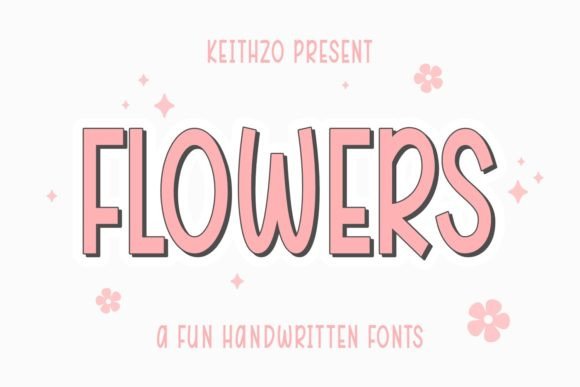
The right font can transform a simple design into something truly memorable. When it comes to adding warmth, charm, and a touch of whimsy, the Flowers font stands out as a unique and expressive choice. This handwritten style is more than just a typeface—it’s a celebration of creativity and emotion. With its lively strokes and playful curves, Flowers evokes the feeling of a sunny day spent in a blooming meadow, making it perfect for a wide range of applications.
Whether you're designing greeting cards, posters, or children's books, Flowers adds a personal and inviting touch that captures attention. Its soft, flowing lines make it ideal for projects that aim to convey love, joy, or a sense of nostalgia. The font’s natural look gives designs a handcrafted feel, which is especially appealing in an era where authenticity is highly valued.
Why Choose Flowers for Your Projects?
One of the most compelling reasons to use Flowers is its ability to bring a sense of warmth and personality to any design. Unlike rigid, geometric fonts, Flowers feels more like a handwritten note from a friend. This makes it particularly effective for marketing materials that aim to connect with audiences on an emotional level. For instance, a wedding invitation styled with Flowers can instantly convey romance and elegance without feeling overly formal.
Another key benefit of Flowers is its versatility. It works well in both digital and print formats, making it a valuable asset for designers across different platforms. From social media posts to packaging labels, the font adapts seamlessly, maintaining its charm and readability. This flexibility allows designers to experiment with various layouts and compositions while keeping a cohesive visual identity.
For those working in the education sector, Flowers can be a great tool for creating engaging content for children. Its playful appearance encourages creativity and makes learning more enjoyable. Teachers and educators might use it to design flashcards, storybooks, or classroom decorations that spark imagination and curiosity in young minds.
How Flowers Fits Into Modern Design Workflows
In today’s fast-paced design environment, efficiency and aesthetics often go hand in hand. Flowers offers a balance between the two, allowing designers to create visually appealing work without sacrificing time or effort. Its easy-to-use format means it can be integrated into design software like Adobe Illustrator, Canva, or Figma with minimal hassle.
Moreover, Flowers is compatible with a variety of design styles, from minimalist to ornate. This adaptability makes it a go-to font for designers who want to add a unique flair to their work. Whether you’re crafting a modern logo or a vintage-style poster, Flowers provides the perfect finishing touch.
When used in branding, Flowers can help businesses stand out in a crowded market. A logo that incorporates this font may evoke feelings of approachability and creativity, which are essential for brands targeting younger or more artistic audiences. It’s also a great option for small businesses looking to establish a friendly and welcoming image.
Practical Applications of Flowers
Flowers is not limited to just graphic design; it can also be used in web development and digital marketing. Web designers might incorporate it into headings or call-to-action buttons to create a more engaging user experience. Its legibility at smaller sizes ensures that it remains readable even when used in text-heavy sections of a website.
For event planners, Flowers can elevate the look of invitations, signage, and promotional materials. Imagine a birthday party flyer or a charity event announcement that uses this font—its vibrant and cheerful style immediately draws attention and sets the tone for the occasion.
Photographers and artists might also find value in using Flowers for captions, gallery titles, or portfolio websites. The font’s organic feel complements creative work, reinforcing the idea that art is meant to be expressive and personal. It’s a subtle yet powerful way to enhance the storytelling aspect of visual projects.
Considerations When Using Flowers
While Flowers is undeniably charming, it’s important to consider its limitations. Due to its cursive nature, it may not be the best choice for long blocks of text. In such cases, pairing it with a more traditional font can help maintain readability without losing the font’s unique character.
Additionally, users should ensure that they have the proper licensing for commercial projects. Many fonts come with specific terms regarding usage, so it’s always wise to review these details before incorporating Flowers into professional work.
Finally, testing the font in different contexts is crucial. What looks great on a screen may not translate well to print, or vice versa. Experimenting with size, spacing, and color can help achieve the best results and ensure that Flowers enhances rather than detracts from the overall design.
Flowers in Everyday Life
Beyond the realm of design, Flowers has the potential to inspire everyday creativity. People who enjoy journaling, scrapbooking, or DIY crafts might use it to add a personal touch to their projects. Its whimsical style can turn a simple note into a heartfelt message or a basic card into a cherished keepsake.
Even in casual settings, Flowers can make a difference. A handwritten sign for a local market, a custom gift tag, or a personalized thank-you card can all benefit from its warm and inviting aesthetic. It’s a reminder that small details can have a big impact, especially when it comes to expressing care and thoughtfulness.