Bug Font: A Bold Statement in Modern Typography
When it comes to typography, the right font can transform a design from ordinary to extraordinary. Bug Font stands out as a unique and powerful choice for designers, artists, and creatives looking to make a statement. With its striking visual identity and versatile applications, Bug Font has become a go-to typeface for those who want to infuse their work with a sense of energy and innovation.
The Artistry Behind Bug Font
Bug Font is more than just a collection of letters; it's a carefully crafted typographic masterpiece. Designed with an eye for detail and a passion for creativity, this font blends intentional precision with a touch of unpredictability. The result is a typeface that feels both structured and dynamic, offering a fresh perspective on traditional typography.
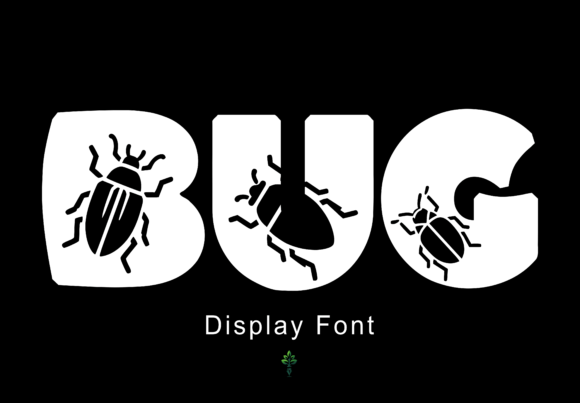
Each character in Bug Font is designed to command attention. The bold strokes and intricate details create a visual impact that is hard to ignore. Whether used in headlines, logos, or body text, Bug Font adds a layer of sophistication and uniqueness to any project.
Practical Applications of Bug Font
One of the most appealing aspects of Bug Font is its versatility. It works well across a wide range of industries and projects, from graphic design and branding to web development and print media. Its bold and distinctive style makes it ideal for creating eye-catching visuals that stand out in a crowded market.
In the world of branding, Bug Font can be a game-changer. Companies looking to establish a strong and memorable identity often turn to this font to convey confidence and creativity. Its ability to evoke emotion and capture attention makes it a valuable tool for marketing professionals and designers alike.
For web developers, Bug Font offers a compelling option for enhancing user experience. When used effectively, it can improve readability while adding a unique aesthetic to a website. However, it's important to consider how the font performs on different devices and screen sizes to ensure optimal results.
Why Choose Bug Font?
There are many fonts available today, but Bug Font distinguishes itself through its distinct personality and adaptability. Unlike more conventional typefaces, Bug Font doesn't follow a one-size-fits-all approach. Instead, it offers a range of styles and weights that allow users to tailor their designs to specific needs and preferences.
Another key advantage of Bug Font is its ability to convey a sense of modernity and innovation. In an industry that values originality, this font provides a way to express creativity without sacrificing clarity. It's particularly useful for projects that require a balance between artistic expression and functional design.
Designers who prioritize quality and uniqueness will find Bug Font to be an excellent choice. Its high level of detail and thoughtful construction make it suitable for both professional and personal projects. Whether you're working on a large-scale campaign or a small creative endeavor, Bug Font can help elevate your work to the next level.
Integrating Bug Font into Your Workflow
Adopting Bug Font into your design process can be a rewarding experience. To get the most out of this typeface, it's essential to understand its characteristics and limitations. For example, while Bug Font is highly readable in larger sizes, it may not be the best choice for long paragraphs of text due to its bold and stylized nature.
When using Bug Font in digital projects, consider the context in which it will be displayed. On websites, it can serve as a powerful headline font that draws visitors' attention. In print materials, it can add a touch of elegance and professionalism to brochures, posters, and packaging designs.
Collaboration is also an important factor when working with Bug Font. If you're part of a team, make sure everyone is on the same page regarding how the font should be used. Consistency in typography helps maintain a cohesive brand identity and ensures that the final product looks polished and professional.
Common Considerations When Using Bug Font
Before incorporating Bug Font into your projects, there are several factors to consider. One of the most important is licensing. Ensure that you have the appropriate rights to use the font in your specific context, whether it's for commercial or personal use. Some fonts may require a license for certain applications, so it's always wise to check the terms and conditions.
Another consideration is the availability of Bug Font. Depending on where you source the font, you may find different versions or styles that cater to specific needs. Explore various options to find the one that best suits your project requirements and aesthetic preferences.
Finally, keep in mind that while Bug Font is visually striking, it's not a one-size-fits-all solution. It's important to test the font in different scenarios to see how it performs. Experimenting with spacing, color, and layout can help you achieve the desired effect and maximize the font's potential.
Conclusion
Bug Font is a powerful and versatile typeface that offers a unique blend of artistry and functionality. Its bold design and distinctive character make it an excellent choice for creatives looking to make a lasting impression. Whether you're working on a branding project, a website, or a print campaign, Bug Font can help elevate your work and set it apart from the competition.